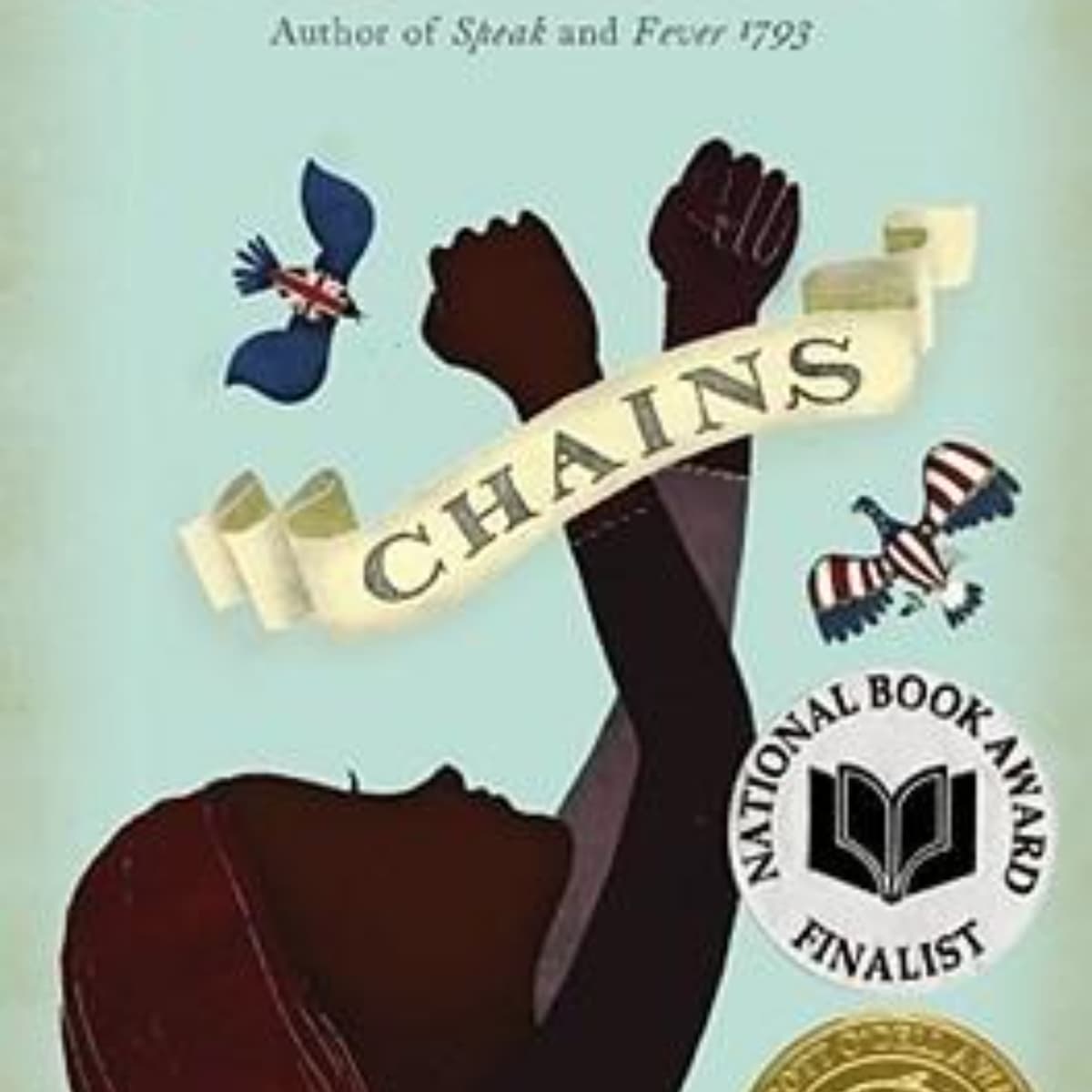
In Laurie Halse Anderson's poignant novel Chains, the enduring theme of freedom versus bondage vividly unfolds through the eyes of Isabel, a young enslaved girl in Revolutionary America. Stripped of her family and rights, Isabel grapples with her desire for autonomy while navigating the oppressive chains of slavery. The story immerses readers in her struggle as she seeks liberation not only for herself but also for her sister, Ruth. Through courageous choices, Isabel learns that freedom is not merely the absence of chains but the strength to claim one's voice. As she witnesses the fight for independence around her, the interplay of personal and political freedom highlights the complexities of liberty. Anderson masterfully intertwines Isabel's heart-wrenching journey with broader historical themes, illustrating that the quest for freedom is universal, timeless, and worth the fight.
1:Chains chapters
"Chains" by Laurie Halse Anderson is a historical novel set during the American Revolutionary War, focusing on the life of a young enslaved girl named Isabel. The overall theme revolves around the struggle for freedom and the fight against oppression, as Isabel navigates her harsh reality of enslavement, particularly in the context of the broader political struggle for independence.
The main content of the story follows Isabel as she and her younger sister, Ruth, are sold to a cruel Loyalist family in New York City. Throughout the novel, Isabel grapples with the complexities of loyalty, identity, and resistance. While she longs for freedom for herself and her sister, the story also explores her interactions with both British and American characters, illustrating the conflicting values and moral dilemmas of the time.
As Isabel becomes more aware of the revolutionary sentiments surrounding her, she begins to seek her own path to freedom, demonstrating resilience and courage. The novel highlights the harsh realities of slavery, the importance of agency, and the pursuit of liberation amidst a backdrop of historical change. Through Isabel's journey, Anderson sheds light on the often-overlooked contributions and struggles of African Americans during the Revolutionary period.

2 Detailed Chapter Review of Chains by Laurie Halse Anderson
In "Chains" by Laurie Halse Anderson, each chapter intricately weaves together the themes of slavery, resistance, and the quest for freedom. For instance, in Chapter 1, we are introduced to Isabel, the protagonist, as she grapples with the harsh reality of being sold into slavery. This sets the stage for her struggle and highlights the theme of dehumanization. The moment Isabel is separated from her younger sister Ruth during the sale signifies the physical and emotional toll of bondage, emphasizing the painful sacrifices demanded by slavery. This initial chapter effectively establishes the oppressive environment that will continue to shape Isabel's journey.
As the novel progresses, Chapters 17 and 18 deepen the connection to resistance and agency. Isabel learns about the brewing Revolutionary War, symbolizing not only the fight for independence but also her own desire for liberation. When she risks her safety to spy for the rebels, this act embodies her growing defiance against her enslavers and the system of oppression. These chapters illustrate her inner strength and determination to reclaim her autonomy, aligning with the overarching theme of resilience amidst adversity. Anderson's portrayal of Isabel's journey from a subjugated girl to an empowered young woman serves as a powerful narrative of hope and resistance against the backdrop of historical injustice.
Book Summary Audio Bookey https://www.bookey.app/audiobook/chains
Youtube https://www.youtube.com/watch?v=6IrNSs08W_U
Amazon https://www.amazon.com/Chains-America-Trilogy-Laurie-Anderson/dp/1416905863
Goodreads https://www.goodreads.com/book/show/3002300-chains