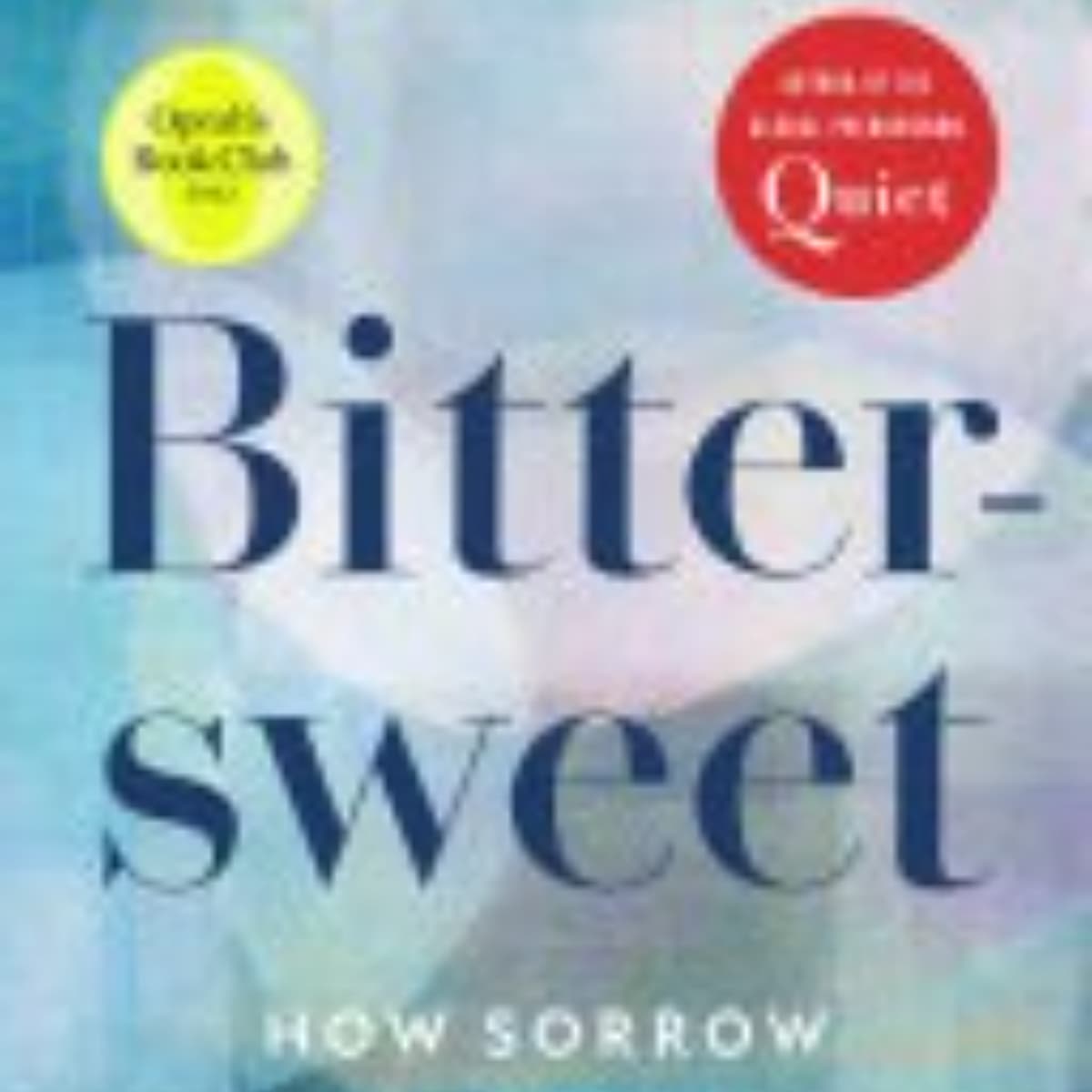
In "Bittersweet," Susan Cain invites us into a world where joy and sorrow dance together, illuminating the depths of the human experience. Through captivating stories and insightful research, she reveals that our most profound moments often emerge from a blend of happiness and melancholy. Cain uncovers the hidden beauty in sadness, suggesting that embracing our vulnerability fosters creativity and connection. She illustrates how bittersweetness enriches our lives, from the poignant notes of a farewell song to the reflective moments that shape our identities. By recognizing this duality, we can cultivate resilience and deeper empathy for ourselves and others. In a society that often pushes us to chase relentless cheer, Cain's narrative serves as a gentle reminder: it’s in the balance of light and dark where true fulfillment resides. Embrace your bittersweet moments—they are, after all, the hues that color the canvas of life.
Chapter 1:What Is Bittersweet
What Is "Bittersweet"?
"Bittersweet" is a book by Susan Cain that explores the complexities of human emotions, particularly focusing on the notion that sadness and joy coexist in our experiences. Cain delves into the idea that embracing our "bittersweet" feelings—those moments of melancholy intertwined with beauty—can lead to a richer and more fulfilling life. She draws on a blend of research, personal anecdotes, and historical references to illustrate her points.
Is "Bittersweet" by Susan Cain a Good Book?
1. Depth and Accuracy of Content:
Cain offers a well-researched exploration of melancholic emotions, integrating psychological studies, literature, and personal stories. The depth of her content reflects a strong grounding in both psychology and real-life experiences.
2. Originality:
While the theme of bittersweet emotions isn't entirely new, Cain's perspective offers fresh insights. Her ability to connect personal narratives with broader cultural observations adds originality to her work.
3. Organization:
The book is logically structured, moving from theoretical concepts to personal anecdotes and cultural references. This organization helps readers follow her arguments clearly and effectively.
4. Readability:
Cain’s writing is accessible and engaging. She balances academic and literary elements, making it enjoyable for readers with varying levels of familiarity with the subject matter.
5. Inspirational Emotional Impact:
"Bittersweet" resonates with many readers, as it encourages the acceptance of complex emotions. Cain's exploration of joy and sorrow often inspires reflection and personal growth.
6. Cultural and Social Impact:
The book addresses societal stigmas around sadness and vulnerability, fostering a dialogue about mental health. By normalizing bittersweet feelings, Cain contributes to a broader understanding of emotional well-being.
7. Attention to Detail:
Cain exhibits meticulous attention to detail in her analysis of historical figures and literary contexts. This adds credibility and richness to her narrative.
8. Theme and Message:
The central theme revolves around embracing life's bittersweet moments and understanding their value. Cain's message advocates for a deeper engagement with all emotions rather than merely pursuing happiness.
9. Critical Thinking:
The book encourages readers to think critically about their emotional experiences and societal norms concerning happiness and sadness, prompting reflections that extend beyond the text.
10. References:
Cain supports her arguments with a wide range of references, including psychology, literature, and philosophy, providing a comprehensive backdrop for her insights.
11. Creativity and Artistry:
Cain’s storytelling is both creative and evocative. She weaves personal anecdotes with broader cultural observations, creating an artistic narrative that captivates the reader.
In summary, "Bittersweet" by Susan Cain is a thoughtful and engaging exploration of the interplay between joy and sorrow, offering valuable insights that resonate on both personal and societal levels.

Chapter 2:Bittersweet chapters
"Bittersweet: How Sorrow and Longing Make Us Whole" by Susan Cain explores the complex relationship between sadness, longing, and human experience. In the book, Cain argues that bittersweet emotions can lead to greater creativity, resilience, and connection with others. Below is a brief summary of the key themes and concepts from the book:
1. Understanding Bittersweet Emotions
- Cain explains the concept of bittersweetness, emphasizing that it encompasses a mix of happiness and sadness. This emotional complexity often arises from longing and reflective experiences.
2. Cultural Perspectives
- The author discusses how different cultures perceive bittersweet emotions. In many Western societies, there is a tendency to avoid sadness, while other cultures may embrace it as a fundamental part of life.
3. Connection to Creativity
- Cain posits that many artists, writers, and musicians draw on their experiences of longing and sadness to create meaningful work. She discusses various creators who have expressed their deepest emotions through their art.
4. The Role of Sorrow
- The book explores the idea that sorrow can foster empathy and connection. Cain highlights how shared experiences of grief or longing can bring people closer together.
5. Resilience and Growth
- Cain discusses how encountering and accepting bittersweet emotions can lead to personal growth and resilience. She argues that these experiences shape our identities and enrich our lives.
6. Coping with Bittersweetness
- Cain offers insights and strategies for embracing bittersweet emotions rather than shying away from them. This includes practices such as mindfulness and embracing the complexity of human existence.
7. Finding Meaning
- The exploration of how individuals can find meaning in their experiences of loss and longing is a central theme. Cain encourages readers to reflect on their own experiences and how these shape their lives.
Conclusion
"Bittersweet" ultimately encourages readers to embrace the full spectrum of human emotions, recognizing that both joy and sorrow contribute to a richer, more meaningful life. Through stories, research, and personal reflections, Cain illustrates that acknowledging and understanding our bittersweet feelings can foster deeper connections and creativity.
For specific chapter summaries, it's best to refer directly to the book as it will provide detailed insights and examples that illuminate Cain's arguments and themes.
Title: The Enigma of Bittersweetness: A Journey Through Heartfelt Duality
Once upon a time, in a vibrant town nestled between rolling hills and a shimmering lake, there lived a curious girl named Elara. Ever since she could remember, Elara felt emotions more intensely than her friends. The joy of a sunny day would burst within her like a dazzling firework, but the moments of sadness would pull her down like a weighted blanket. It was in this bittersweetness—this blend of joy and sorrow—that Elara found herself lost and captivated.
One day, she stumbled upon a quaint little bookstore, its warm glow inviting her inside. As she browsed the narrow aisles, her fingers danced over the spines of countless books until one caught her eye: Bittersweet: How Sorrow and Longing Make Us Whole by Susan Cain. The title felt like a reflection of her own heart, and without hesitation, she tucked it under her arm and nestled into a cozy corner with a steaming cup of tea.
As Elara turned the pages, she felt as though she were peeling back layers of her own soul. Susan Cain eloquently expressed an idea that fascinated Elara: the concept that our sorrow and yearning—often seen as burdens—are essential in shaping who we are. They imbue our joyous moments with depth and richness, allowing us to appreciate the light even more profoundly when it shines.
Chen, the boy next door, once told Elara, “Why dwell on sad things when we can just be happy?” But Cain's words resonated deeply within her. She began to see that every time she experienced pain or heartache, something beautiful flickered to life. In the moments when she missed her grandmother's embrace or longed for the carefree days of childhood, seeds of creativity and empathy were being sown.
Elara learned that artists, philosophers, and musicians throughout history have embraced this bittersweet duality. From Frida Kahlo’s vivid, often painful self-portraits to the haunting melodies of Chopin, the beauty born from sadness was a testament to the human experience. It was a reminder that vulnerability is a doorway to connection, allowing individuals to share their stories and bond over mutual struggles.
As Elara continued reading, she met characters who battled their demons and found solace in the arms of community. They realized that to be truly alive meant accepting the ebb and flow of their emotions. They laughed through tears and danced in the shadows, illuminating the truth that life’s richness comes not solely from joy but from the harmony of all its colors.
Her heart raced with excitement as she considered how these lessons might play out in her own life. The next day, she gathered her friends and shared the insights she had discovered. She spoke about how accepting bittersweetness could transform the way they viewed their own lives—how allowing sadness to co-exist with happiness could lead to deeper relationships and a more profound appreciation of their shared experiences.
"You mean, our heartaches can help us be more connected?" Rowan asked, wide-eyed, as the group erupted into a discussion that lasted well into the evening. In that moment, Elara felt a flicker of hope. Together, they began to celebrate their happy moments, not by ignoring their sorrows but by daring to embrace the full spectrum of their emotions.
As weeks passed, Elara carried the lessons of Bittersweet into each corner of her life. She penned poetry worth sharing, infused with longing and joy. She created artwork that told stories of love and loss, capturing the essence of her journey. And in doing so, she found a voice—not just hers but for those around her who had similarly felt the weight of bittersweetness.
In time, Elara realized that embracing the bittersweet nature of life made her more resilient. Emotions, she learned, weren't meant to be neatly categorized; they were woven into the very fabric of her being. The contrasts made her story richer, deeper, and undeniably human.
And so, in the heart of that small town, where rolling hills met the whisper of a gentle breeze, Elara blossomed, realizing that life's most profound beauty often lies in its bittersweet moments. Through the lens of Susan Cain's wisdom, she had found her way—not just as a girl who felt deeply, but as a storyteller capable of weaving the world's complexity into something beautifully whole.
In the end, Elara understood that life, with all its joy and sorrow, was indeed an intricate tapestry, and each thread—whether dark or light—played a vital role in creating the masterpiece of her existence. And in that understanding, she was finally free.

Book https://www.bookey.app/book/bittersweet
Author https://www.bookey.app/quote-author/susan-cain
Quotes https://www.bookey.app/book/bittersweet/quote
Suggested
Youtube https://www.youtube.com/watch?v=RcTt5BE8SWE
Amazon https://www.amazon.com/Bittersweet-Sorrow-Longing-Make-Whole/dp/0451499786
Goodreads https://www.goodreads.com/book/show/58734811-bittersweet