Chapter 1:Summary of A History Of The World In 6 Glasses book
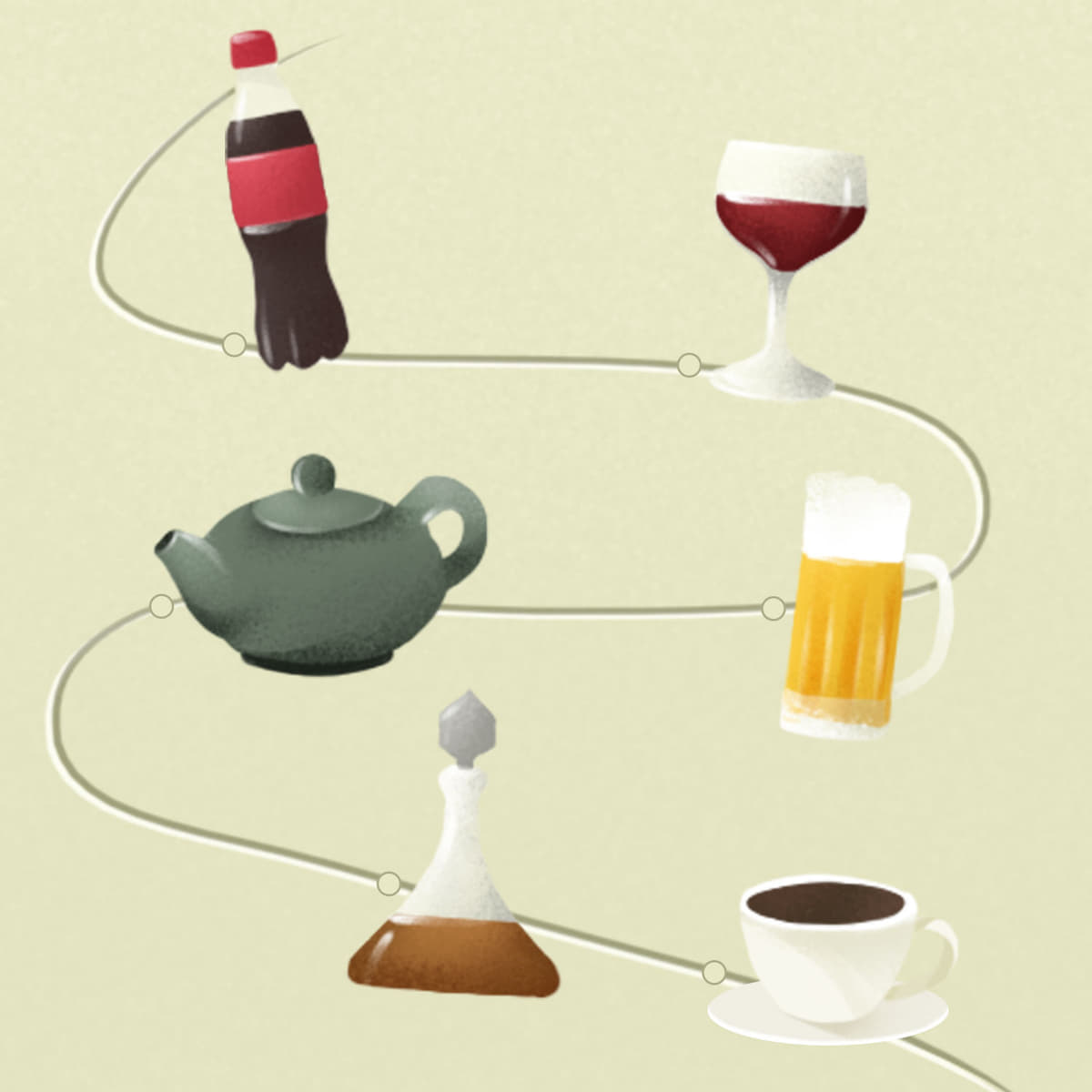
"A History of the World in 6 Glasses" by Tom Standage is a book that explores the significant role that six different beverages have played in shaping human history. The book takes the reader through the history of these drinks from their origins to their impact on trade, social structures, and political movements.
The first beverage discussed is beer, which played a crucial role in the development of agriculture and the formation of early civilizations. The brewing process allowed humans to store surplus grains and led to the establishment of settled communities and a shift from hunting and gathering to agriculture.
Next, the book moves on to wine, which was associated with the rise of Greek and Roman civilizations. It was not only a symbol of wealth and status but also played an important role in religious rituals and social interactions.
Standage then shifts the focus to spirits, specifically spirits derived from distillation, such as rum, whiskey, and gin. These alcoholic beverages were closely tied to European colonization, the Transatlantic Slave Trade, and the Industrial Revolution. They had a significant impact on global trade, colonization, and social patterns.
The fourth drink discussed is coffee, which emerged in the Middle East and quickly spread across the Islamic world and Europe. Coffeehouses became important meeting places for intellectuals, leading to the Enlightenment era and the dissemination of new ideas.
Moving forward in history, Standage explores the influence of tea on global politics and trade. The book highlights the British East India Company's domination in the tea trade, and the role of tea in the American Revolution and the Opium Wars.
Finally, Standage delves into the impact of Coca-Cola and its rise as a symbol of American culture, mass consumerism, and globalization in the 20th century. He discusses the marketing strategies behind Coca-Cola's success and its influence on popular culture.
In summary, "A History of the World in 6 Glasses" provides a narrative of the transformative power that these six beverages have had on various aspects of human history, including agriculture, trade, colonization, social interactions, and cultural shifts. Through this lens, Standage highlights the interconnectedness of drinks and human civilization.
Chapter 2:the meaning of A History Of The World In 6 Glasses book
"A History of the World in 6 Glasses" by Tom Standage is a non-fiction book that explores the significant role six beverages have played in shaping world history: beer, wine, spirits, coffee, tea, and Coca-Cola. The author argues that these beverages were not only influential in terms of consumption but also in shaping social, cultural, economic, and political aspects of various civilizations throughout history.
Each beverage represents a different time period and society. For example, beer is associated with the early agricultural civilizations in Mesopotamia and ancient Egypt. Wine is linked to the Classical Mediterranean world and the rise of the Greeks and Romans. Spirits, specifically distilled alcohol, played a crucial role in the Age of Exploration, colonization, and the slave trade. Coffee and tea are connected to the Enlightenment and the Industrial Revolution, while Coca-Cola represents the globalization and Americanization of the world.
Standage highlights how these drinks influenced trade, colonization, warfare, social rituals, politics, religious practices, and even gender roles. By examining the history of these beverages, he provides readers with a new perspective on the evolution of human societies and the interconnectedness of different cultures.
Overall, "A History of the World in 6 Glasses" reveals the often overlooked importance of beverages in shaping world history, encouraging readers to rethink the significance of seemingly mundane aspects of daily life.
Chapter 3:A History Of The World In 6 Glasses book chapters
Chapter 1: Beer in Mesopotamia and Egypt
This chapter explores the role of beer in the ancient civilizations of Mesopotamia and Egypt. It discusses how beer was an integral part of their daily lives, used for religious rituals, as currency, and for sustenance. The chapter also delves into the brewing process and the importance of beer as a safe alternative to unclean drinking water.
Chapter 2: Wine in Greece and Rome
This chapter examines the significance of wine in the ancient cultures of Greece and Rome. It discusses how wine was tightly woven into societal customs, used for celebrations, religious ceremonies, and as a symbol of status and power. The chapter also delves into the spread of wine production throughout Europe and the development of wine trade networks.
Chapter 3: Spirits in the Colonial Era
Focusing on the Colonial Era, this chapter uncovers the rise of spirits, specifically rum, in the Americas. It explores how spirits played a pivotal role in European colonization and the triangular trade system, as well as their connection to the slave trade. The chapter also discusses the spread of spirits, such as rum and whiskey, and their role in the American Revolution.
Chapter 4: Coffee in the Age of Reason
This chapter delves into the emergence of coffee as a beverage during the Age of Reason in Europe. It explores how coffeehouses became centers of social, intellectual, and political discourse, providing a platform for individuals to exchange ideas and discuss current events. The chapter also discusses the global impact of coffee and its connection to the Enlightenment movement.
Chapter 5: Tea and the British Empire
Focusing on the British Empire, this chapter explores the rise of tea in Great Britain and its influence on social, economic, and political aspects of British society. It discusses how tea became a symbol of British identity and how its production and consumption shaped global trade networks. The chapter also delves into the Opium Wars and the impact of tea on British imperialism in India and China.
Chapter 6: Coca-Cola and the Rise of America
The final chapter examines the rise of Coca-Cola as a symbol of American consumer culture and the spread of American influence worldwide. It explores how Coca-Cola played a role in American capitalism, political alliances, and cultural imperialism. The chapter also discusses the controversies and criticisms surrounding the company's marketing strategies and its impact on global health and the environment.
Chapter 4: Quotes of A History Of The World In 6 Glasses book
- "Water, may fairly be said to be the primary substance in the world."
- "Beer, it is said, was the reason human beings became civilized, which is to say, Beer was the encouragement necessary to undertake the construction of cities."
- "Wine has been part of human culture since its invention in the late Neolithic or early Mesolithic period."
- "Not only did the spread of coffee lead to the establishment of coffeehouses, but it also had far-reaching effects on the economy, society, and politics."
- "Tea, once a luxury item, became a symbol of British identity and an integral part of the daily life and rituals of the British people."
- "Spirits, and rum in particular, played a significant role in the colonization of the Americas and the slave trade."
- "Coca-Cola became a symbol of American consumer culture and a powerful marketing tool."
- "The rise of the cocktail culture in the United States during the Prohibition era demonstrated the human ingenuity to overcome societal restrictions."
- "The globalization of Coca-Cola and coffee can be seen as a metaphor for the spread of Western consumer culture around the world."
- "Water, beer, wine, spirits, coffee, and tea have shaped human history, reflecting societal changes, economic developments, and cultural beliefs."