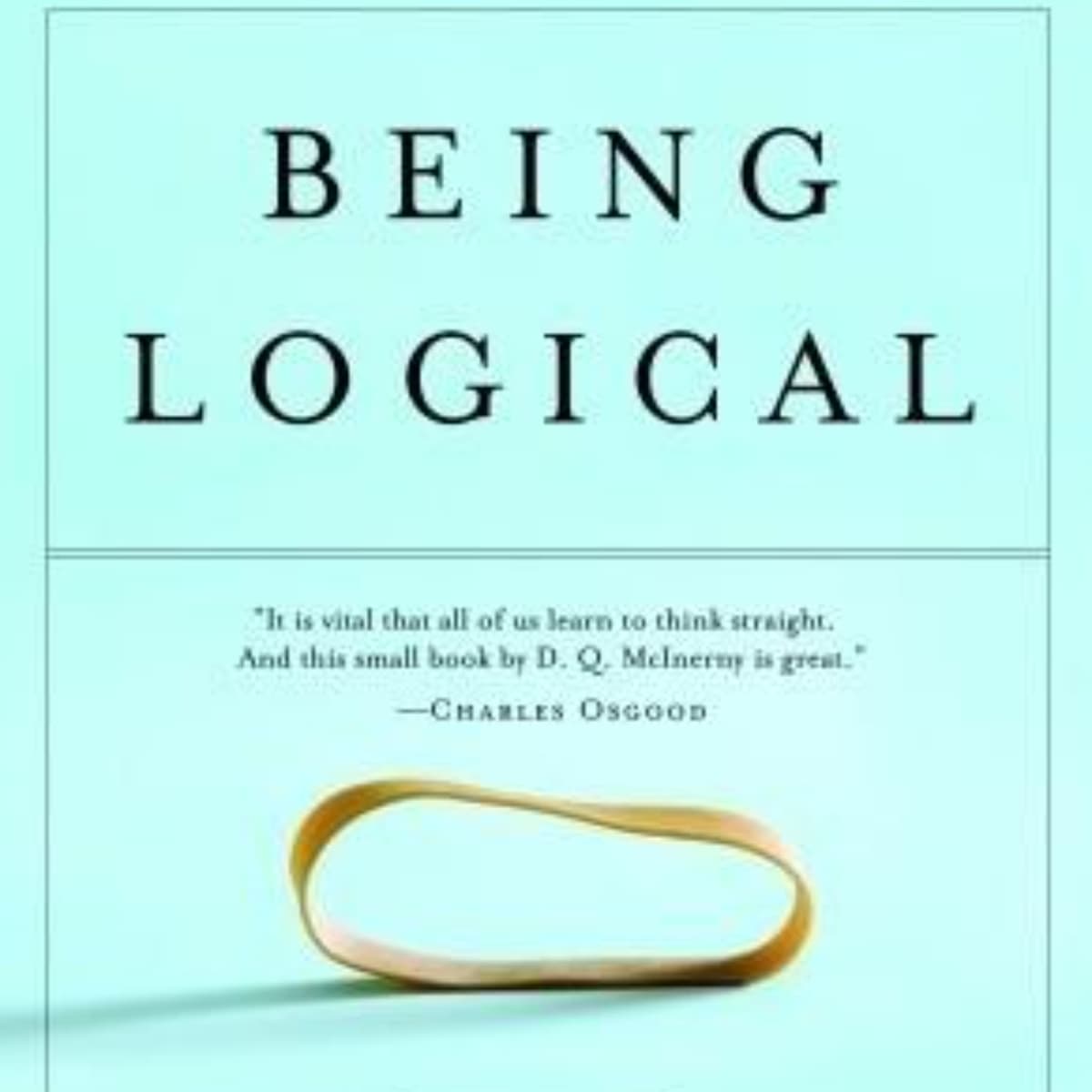
In "Being Logical," D.Q. McInerny invites reahders on a journey through the intricate landscape of reasoning and thought. Imagine a bustling marketplace of ideas, where clarity is the currency, and the art of logic is the ultimate skill. With vibrant anecdotes and practical examples, McInerny uncovers the essential principles of logical thinking, teaching us to dissect arguments like a skilled chef slices through fresh vegetables.
Through the whimsical metaphor of a detective unraveling a mystery, he emphasizes the importance of identifying fallacies and maintaining coherence. As we navigate this intellectual terrain, we learn that logic is not merely academic; it’s a vital tool for making sense of our world and communicating effectively. By the end, readers emerge equipped with the ability to wield logic with precision, transforming confusion into clarity, and igniting insightful conversations. Logic, McInerny insists, isn’t just a skill; it’s a way to engage more deeply with life itself.
1:Being Logical chapters
"Being Logical: A Guide to Good Thinking" by D.Q. McInerny is a concise guide on the principles of logical reasoning and critical thinking. The overall theme revolves around the importance of clear thinking and sound reasoning in everyday life. McInerny emphasizes that logical thinking is not just an academic exercise but is essential for effective communication and decision-making.
The main content covers various aspects of logic, including the structure of arguments, the distinction between deductive and inductive reasoning, common logical fallacies, and the importance of clarity and precision in language. McInerny aims to equip readers with the tools to analyze arguments critically, construct their own arguments logically, and recognize flaws in reasoning. The book serves as both an introduction to logical principles and a practical guide for improving one's thinking skills in various contexts. Through accessible examples and straightforward explanations, McInerny encourages readers to cultivate a logical mindset that can enhance both personal and professional interactions.

2:Detailed Chapter Review of Being Logical by D.Q. McInerny
In "Being Logical," D.Q. McInerny presents a structured exploration of logical reasoning, masterfully outlining fundamental principles of sound thinking across its chapters. The initial chapters establish the significance of definitions and the clarity necessary for logical discourse. For instance, McInerny emphasizes the value of precise language in defining terms, showcasing how ambiguity can derail a logical argument. This foundational work is crucial as it sets the stage for more complex discussions, underpinning the theme that sound reasoning is built on clear and unambiguous concepts.
As the book progresses, McInerny delves into the principles of syllogistic reasoning and the dangers of fallacies—crucial elements in practical logic. In chapters focused on fallacies, he illustrates common mistakes in reasoning, such as ad hominem attacks and straw man arguments, highlighting their detrimental effects on discourse. This theme is reinforced through relatable examples, encouraging readers to recognize these pitfalls in everyday arguments. By connecting the principles of reasoning to real-world applications, McInerny reinforces the overarching message that logical competency not only enhances personal reasoning but also fosters more productive dialogue in society.