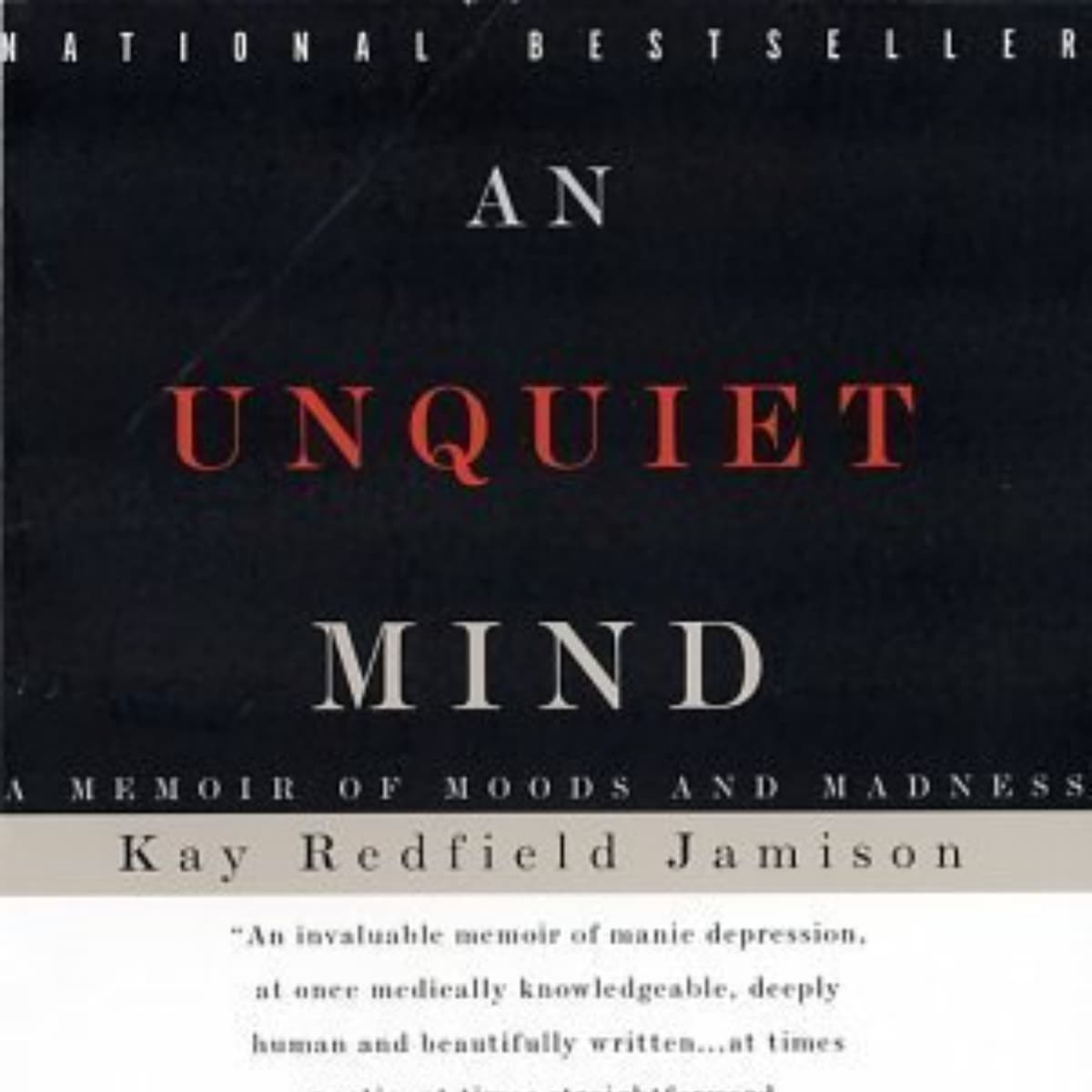
In "An Unquiet Mind," Kay Redfield Jamison takes us on a poignant journey through her life as both a clinical psychologist and a person living with bipolar disorder. With vivid storytelling, she reveals the duality of her existence—one of brilliance and intense creativity intertwined with plunging despair. Jamison’s candid reflections serve not only to illuminate the struggles of mental illness but also to challenge the stigma surrounding it. Through her experiences, we learn that mental health is not merely a battle to be fought but a complex, often beautiful reality to be understood. Her narrative encourages compassion and awareness, urging us to embrace the unquiet minds that often hold the most profound insights. In her eloquent prose, Jamison inspires readers to see beyond the diagnoses, recognizing the rich tapestry of humanity that weaves through every story of mental health.
Chapter 1: What Is An Unquiet Mind
What Is An Unquiet Mind?
"An Unquiet Mind" is a memoir by Kay Redfield Jamison, a clinical psychologist who has experienced bipolar disorder firsthand. The book combines personal narrative with research insights, exploring both the struggles and the unique creativity associated with the condition.
Evaluation Based on Specific Aspects
1. Depth and Accuracy of Content:
The book offers a profound exploration of bipolar disorder, blending personal experience with clinical understanding. Jamison's dual perspective as both a clinical psychologist and patient provides valuable insights into the condition.
2. Originality:
Jamison's memoir stands out due to her dual perspective, which is less common in mental health literature. She offers a unique look at the interplay between mental illness and the creative process.
3. Organization:
The book is well-structured, alternating between personal anecdotes and professional insights, making it easy to follow while encompassing a broad scope of topics related to mental health.
4. Readability:
Jamison's writing is accessible and engaging, making complex psychological concepts understandable to a general audience. Her narrative style draws readers in, making it a compelling read.
5. Inspiration and Emotional Impact:
The memoir is deeply moving, providing both inspiration and a sense of hope. Readers may find comfort in Jamison's honesty about her struggles and triumphs, fostering empathy toward those with mental illnesses.
6. Cultural and Social Impact:
"An Unquiet Mind" has played a significant role in destigmatizing mental health issues and promoting awareness about bipolar disorder. It contributes to ongoing discussions about mental health in society.
7. Attention to Detail:
Jamison's descriptions of her experiences and symptoms are vivid and thorough, capturing the nuances of living with bipolar disorder. This attention to detail enhances the authenticity of her narrative.
8. Theme and Message:
Key themes include the complexity of mental illness, the intersection of suffering and creativity, and the importance of understanding and compassion. Jamison emphasizes that mental health challenges do not negate one's potential.
9. Critical Thinking:
The book encourages critical reflection on societal attitudes toward mental illness and the nature of creativity, prompting readers to reconsider preconceived notions.
10. References:
While it's primarily a memoir, Jamison includes references to relevant research and literature, grounding her personal story in the larger context of psychological study.
11. Creativity and Artistry:
Jamison's prose is both beautifully written and artistic, blending personal narrative with metaphor and reflection, creating a rich reading experience that resonates emotionally.
Conclusion
Overall, "An Unquiet Mind" is a compelling and insightful memoir that effectively addresses the multifaceted nature of bipolar disorder. Its combination of personal narrative and professional insight makes it a significant contribution to both mental health literature and discussions on creativity and mental illness.

Chapter 2: An Unquiet Mind chapters
"An Unquiet Mind: A Memoir of Moods and Madness" by Kay Redfield Jamison is a powerful and reflective account of the author's struggle with bipolar disorder, interwoven with her professional insights as a clinical psychologist. Here’s a brief summary of the chapters:
Part 1: The Personal Experience of Bipolar Disorder
- Introduction: Jamison introduces her battle with mental illness, shedding light on the nature of bipolar disorder and its impact on her life and career.
- Childhood and Early Symptoms: She reflects on her childhood, her family dynamics, and the early signs of her condition, including episodes of intense mood swings.
- First Manic Episode: Describes her experience of having her first manic episode during her time at college, highlighting the euphoria and resultant consequences.
Part 2: Academic and Clinical Insights
- Career Development: Jamison discusses her academic journey, her passion for psychology, and the way her experiences have shaped her understanding of mental illness.
- Manic Phases and Creativity: The relationship between creativity and mania is explored, as Jamison discusses famous figures for whom bipolar disorder led to creative breakthroughs.
Part 3: Struggles with Treatment and Awareness
- Searching for Stability: This section covers Jamison's challenges with medication, her reluctance to seek help, and her experiences with the contradictions of being a clinician with a mental illness.
- Realization and Acceptance: Eventually, she begins to accept her diagnosis and the importance of treatment, paralleling her experiences with those of her patients.
Part 4: Impact on Relationships and Life
- Romantic Relationships: Jamison describes how her condition has affected her relationships, including the challenges her partners faced and the emotional toll of her mood swings.
- Living with Bipolar Disorder: A profound exploration of what it means to live with bipolar disorder, discussing both the highs and lows, as well as the stigma associated with mental illness.
Conclusion: Advocacy and Hope
- Living Authentically: The memoir concludes with Jamison advocating for greater understanding and acceptance of mental illness, emphasizing that treatment can lead to a fulfilling life.
- Lasting Insights: She offers insights into finding balance through appropriate treatment and personal determination, celebrating the strength that comes from being open about mental health.
Overall, "An Unquiet Mind" is both a personal narrative and a scholarly reflection, serving as a source of inspiration and hope for those dealing with mental health issues. Jamison's candid voice emphasizes that while bipolar disorder can lead to struggles, it can also coexist with a rich and meaningful life.
Title: Dancing on the Edge of Shadows: The Journey Through "An Unquiet Mind"
In the quiet corners of a bustling hospital, surrounded by the soft beeping of machines and the hushed whispers of concern, we meet a woman named Kay Redfield Jamison. She isn’t just any psychiatrist; she is also a restless soul, waging a fervent battle with manic-depressive illness—what we now commonly refer to as bipolar disorder. In her memoir, "An Unquiet Mind," she unveils a tapestry woven from threads of joy and despair, resilience and vulnerability, shedding light on a condition often ensconced in stigma.
Picture a vibrant garden, filled with blossoming flowers that rise proudly toward the sun. This is Kay's mind during the manic episodes. Ideas swirl like a whirlwind, creativity surges, and a sense of boundless possibility fills every crevice. Jamison describes the exhilaration, the race of thoughts that flit through her consciousness like fireflies on a summer evening. She dances on the edge of shadows, caught between the intoxicating heights of hypomania—where she writes and creates with an almost supernatural fervor—and the crushing weight of depression that follows, dragging her into its depths.
Yet, this isn’t simply a tale of despair; it’s an exploration of the duality of the human spirit. One moment, she finds herself wrapped in the warmth of connection and artistry, and the next, she is ensnared by the icy fingers of despair that pull her down into solitude. Jamison's narrative oscillates gracefully between these two worlds, a testament to the chaotic beauty of a mind that refuses to be quieted.
But what does this mean for the average reader, perhaps unfamiliar with the intricate dance of mental illness? In "An Unquiet Mind," Jamison educates us on the notion that mental health is not a linear path, but rather a landscape filled with peaks and valleys—sometimes gently rolling, at other times steep and treacherous. Her honesty challenges long-held misconceptions, revealing that those living with bipolar disorder are not simply defined by their diagnosis; they are artists, thinkers, and educators continuing to contribute deeply to society.
Throughout her journey, Jamison emphasizes the importance of understanding and embracing one's mental health condition rather than shying away from it. From her candid introspection, we learn that acceptance doesn’t mean resignation. In fact, Jamison becomes an advocate for treatment, emphasizing the role of medication not just as a lifeline but as a means to reclaim her vibrant life. She doesn’t shy away from the complexity of this path—there are moments of trial and error—and yet, her message is one of hope. Healing can emerge from understanding, and recovery is a journey that can coexist with creativity, passion, and purpose.
The tapestry of "An Unquiet Mind" is more than just a personal memoir; it serves as a bridge to foster empathy and understanding for those grappling with mental health struggles. Through her eloquent prose, Jamison invites us to recognize the profound humanity that lies beneath the surface of psychiatric diagnoses. She teaches us that while the shadows may stretch long, they cannot extinguish the light—and that within the turbulence of the mind, one can find the strength to not only survive but thrive.
In the end, Kay Redfield Jamison’s narrative resonates with a universal truth: our minds are immensely powerful and complex. As we read her story, we are not just witnessing a battle with bipolar disorder; we are experiencing a celebration of life in its most raw and authentic form. It is an invitation to embrace our own unquiet minds, to dance with our shadows, and to find solace in knowing we’re all in this together, navigating the highs and lows of our shared human experience.
And perhaps, just perhaps, as we explore the depths of our own minds, we too can discover the beauty that can coexist with the chaos.

Book https://www.bookey.app/book/an-unquiet-mind
Author https://www.bookey.app/quote-author/kay-redfield-jamison
Quotes https://www.bookey.app/quote-book/an-unquiet-mind
Youtube https://www.youtube.com/watch?v=eAC6jC4giu0
Amazon https://www.amazon.sg/Unquiet-Mind-Memoir-Moods-Madness/dp/0679763309
Goodreads https://www.goodreads.com/book/show/361459.An_Unquiet_Mind?from_search=true&from_srp=true&qid=ZVTUjBKAEW&rank=1